 info@ebookpublishing.ca



Essential Tips for Self-Publishing Your Book In 2026
Writing a book is no doubt a task in itself. But introducing your creative work to the world and having complete rights over it is quite in trend right now, especially in the book publishing industry. Ever since self-publishing was introduced, authors have started adopting this method to launch their books. But it also requires a lot of concentration, along with handling everything from editing to sales. Whether you are opting for a traditional book publisher company or taking this whole process into your own hands, both paths have their own pros and cons. Authors should choose the option that aligns more closely with their work.
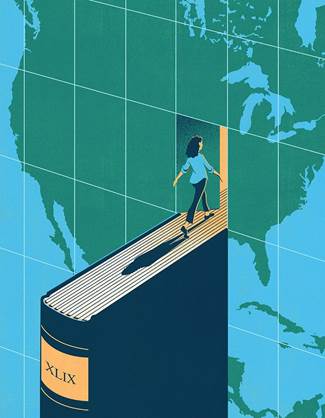
The Objective Behind Self-Publication
Writing a book could take three months to three years, and you can never predict the accurate timeline. However, what needs to be instantly decided after you have finished writing your manuscript is how you are going to publish it. If we talk about self-publication in 2026, it is no longer considered an alternative route for authors. It’s for the individuals who want complete control, faster timelines, and a larger share of royalties. Traditional publishers usually took far more time than self-publishing. If done properly with complete concentration, self-publishing could even take less time, and you can also expect a wider audience in your spectrum.
If you look online, you will realise that publishing your book is not just about uploading the file and waiting for sales. It’s all about positioning, strategy, and, most importantly, understanding that you are not only an author but a brand launching something for your audience. Additionally, the reason behind your publication should be clear. If you are launching a fictional career, your strategy will differ from that of someone who is publishing a business book. If your genre is somehow region-specific, then your marketing strategy will revolve around the audience’s perspective. If you move without clarity when opting for self-publication, then you won’t arrive anywhere meaningful.
Key Aspects for Launching a Book on Your Own
Is Your Manuscript Ready for the World?
Finishing a draft is no doubt monumental, especially for new authors. But what they do not realise is that a draft is not something publishable. Readers nowadays are sharp and very selective about the books they read. They have been exposed to thousands of books and know what a best-selling literary piece is like. And, in that instance, if your content lacks pacing of the plot, if the character feels way too unreal, or the structure feels off, they will not be humble in the reviews. Professional editing is no longer an option, but a mandatory requirement when you are planning to step into the industry and want to filter your book to credible content to read.
- Developmental Editing: It is the first layer of the editing process, where experts analyse the entire manuscript and shape the overall narrative. If the books present an argument, they strengthen it and address core issues such as plot and character arcs.
- Line Editing: This is where editors ensure your story flows well throughout the book. They ensure that the flow, the sentence quality, and the tone are consistent, and the reader should be completely hooked when reading it.
- Proofreading: Many novel publishing services provide you with a proofreader who ensures that the grammar, punctuation, and formatting are properly polished and free of any small errors. Hiring the one who challenges your thought process should be considered when authors ask for such services.
Why Book Cover is Your Top Marketing Tool?
If you’ve heard people say that the first impression always stays strong in memory, then they are most likely right. When authors choose a famous and top-tier publisher, from proofreading to book cover design, to sales, they are responsible for handling every aspect. But when you take such things into your hands, you become the one who takes action, and your say becomes the final call. The design of the book cover often gets less attention for self-publishing authors. But what they do not realise is that if their book cover is not intriguing enough for the reader to pick the book from the shelf or add the book to their cart online, then how will they even get their sales? Your cover must match the genre expectation you have presented in the content, and it should look sharp even in thumbnail size. With the world flooded with AI-generated images, your cover should look contemporary and communicate with the reader. Don’t treat the cover as merely a decoration because this is the thing that comes first when the reader decides to explore your literary artwork.
Is Your Pricing Strategy Aligning With the Wide or Exclusive Distribution?
Selecting between going wide and exclusive distribution affects not only your book’s reach but also its pricing. You might benefit from integrated marketing tools and algorithm enhancements if you publish only on one platform. These can help with smart pricing, such as short-term sales or launch promotions to increase awareness. However, expanding, particularly in the ebook publishing Canada markets, necessitates a more effective pricing strategy that takes into account regional buying patterns and different consumer expectations across platforms. International visibility and library access are provided by wider distribution, but in order to stay competitive in many ecosystems, smart, data-driven price modifications are also required. Overall, your pricing flexibility is shaped by your distribution model, and your pricing strategy needs to align with your distribution objectives. The smartest authors treat both decisions as one interconnected business move, not separate choices.
FAQs
Is self-publishing worth it in 2026?
Absolutely! Self-publishing is highly worth it, especially in 2026, for authors who want more creative control, higher royalty rights, and a fast marketing strategy.
How much does self-publishing cost?
It varies widely because professional editing and cover design are the major investments. However, your budget should be centred on quality production rather than a rush release.
Is it possible to self-publish and then go after traditional publishers?
Yes, but conventional publishers might regard a work as previously published once it is readily accessible. To demonstrate market demand, some authors self-publish before seeking hybrid opportunities.
Why editing matters in self-publishing?
Editing is a critical step in self-publishing because it transforms the raw manuscript into a professional-grade, competitive product that meets readers’ expectations.
Build Your Legacy on Your Own
Publishing your book on your own is no doubt an accomplishment in itself, apart from writing it. After finalising the story, taking the marketing and promotional campaigns into your hands is way too overwhelming. But with correct directions and key takeaways in your mind, you can easily ace this critical stage of introducing your creativity to the world.